
Given the range of gear units types available, choosing the best one for your application might be difficult. For your demands, though, the best industrial gear unit will provide the most economical and effective performance. The main things to think about while choosing a gear unit are described in this blog.
Manufacturing, automotive, food and beverage, pharmaceutical, material handling, and printing are just a few of the industries that depend on industrial gear units as vital parts for transmitting mechanical power. Their smooth and accurate speed, torque, and direction adjustments are made possible by an enclosed housing that houses gears, shafts, and bearings. Some popular types of gear units are as follows:
- Helical Gear Unit: With its angled gears, the helical gear unit minimizes noise and vibration by maintaining extended tooth contact. It is possible for the shafts to be perpendicular or parallel.

- Spiral Bevel Gear Unit: This gear unit operates more smoothly than others because it has curved gear teeth that are cut at an angle and perpendicular input and output shafts.

- Planetary Gear Unit: This design uniformly distributes power, with a center “sun” gear encircled by several “planet” gears housed inside an outer ring gear. It may generate a lot of torque or speed in a little amount of space.
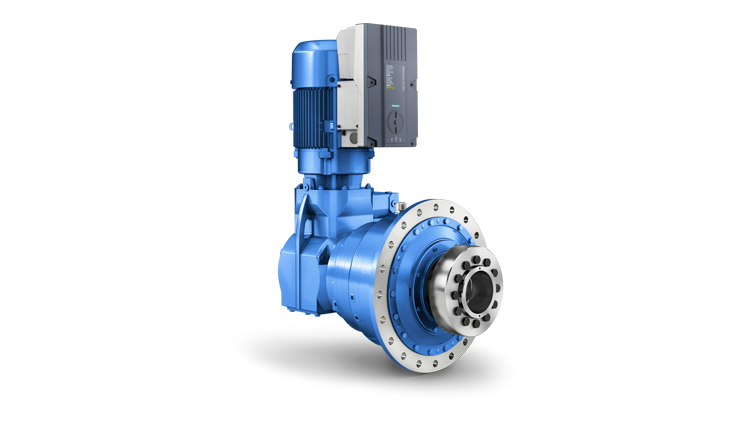
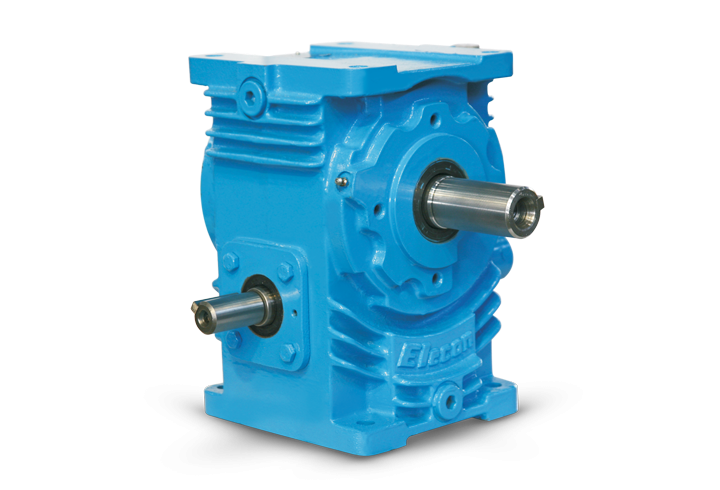
- Worm Gear Unit: With a worm wheel that meshes with a worm that resembles a screw, this gear unit only permits power to move from input to output, but it produces a lot of torque.
Steps for Selecting a Gear Unit
- Determine Output Style: Determine if the input and output shafts must be on distinct planes, at different angles, co-linear, or parallel. Additionally, consider whether your application calls for an output shaft sprocket, pinion, pulley, or other similar device that can result in a high radial stress.
- Consider Shaft or Hollow Bore Size and Features: Keying, splining, tapering, shear pinning, and grounding are among the available options. Based on the needs of your particular application, select the appropriate configuration
- Understand Load Type:A larger service factor is required for non-uniform or high-shock loads because they cause more wear on the gears and bearings.
- Calculate Load Values: Determine the axial (thrust) and radial (overhung) loads that will be applied to the gearbox’s output shaft. Then, identify a gearbox that can withstand these loads by speaking with gearbox suppliers in India.
- Assess Mounting Requirements: A wide range of mounting arrangements, including mounting feet for placing above or below the body, are provided by numerous gearbox providers in India. You could need bespoke frames or brackets because housing types can restrict your options for attachment.
- Define the Service Factor: The American Gear Manufacturers Association (AGMA) defines the service factor as the ratio of a gearbox’s rated horsepower to the horsepower needed for the application. The gearbox type, the application, and the anticipated operating hours all affect this element.
- Consider Temperature and Environment: The necessity for particular lubricant requirements, corrosion-resistant characteristics, and sealing materials can all be determined by environmental variables.
- Additional Considerations: Regulations may require some gear units to be provided without oil, and some manufacturers may provide pre-assembled motor integration for ease of use.
Selecting the right gear unit is crucial for ensuring optimal performance and a long service life. By carefully considering factors like load type, mounting needs, and environmental conditions, you can avoid the risks of overengineering or premature failure, which could lead to operational issues. Partnering with reliable gear unit suppliers and making informed decisions will help you achieve smooth, efficient, and reliable operation. In the end, choosing the correct gear unit is essential for maintaining efficiency and protecting your investment for the long term.
When it comes to premium gear unit solutions, Godavaritech stands out as a leading distributor of Flender gear units. With over 45 years of innovation and excellence, Godavaritech Group has become one of India’s largest independent suppliers of high-quality industrial products and bearings. Offering round-the-clock services across industrial cities, Godavaritech helps industries run efficiently with minimal downtime.
Partnering with Flender, the global leader in gear units and drive systems from Germany, Godavaritech delivers world-class solutions to meet the needs of various industries. Whether you’re looking for a robust gear unit for your application or expert guidance, Godavaritech provides the support needed to keep your operations running smoothly.